 Carpet Cleaning Alton
Upholstery Cleaning Services
Expert cleaning for sofas, chairs and fabric furniture.
No call-out fees • Same-day availability • 100% satisfaction guarantee
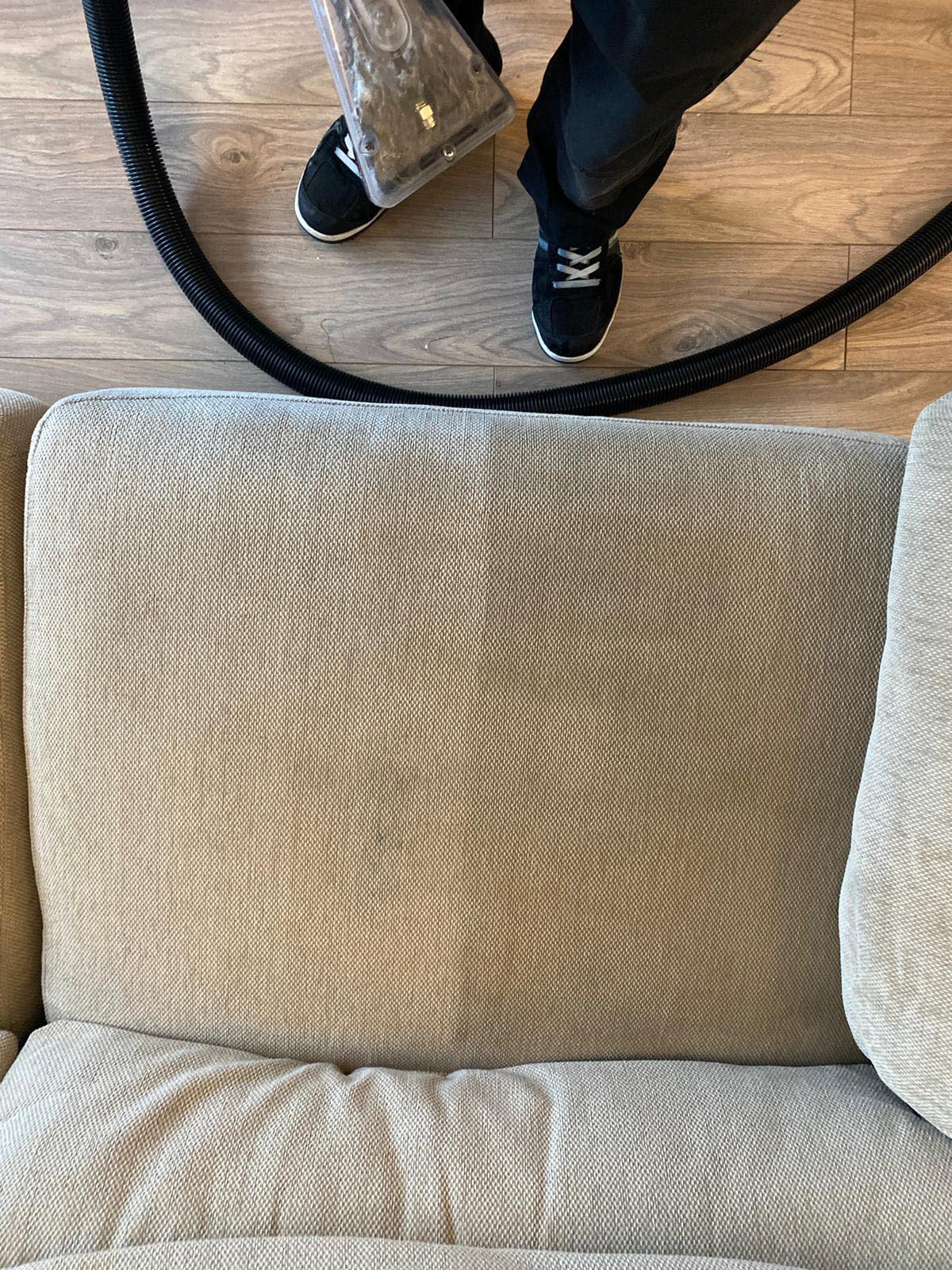
Upholstered furniture is one of the most used and least cleaned items in any home or business in Alton. Sofas, armchairs, dining chairs and mattresses accumulate body oils, sweat, dead skin cells, dust mites and allergens over time, creating an unhygienic environment that regular vacuuming cannot fully address. Professional upholstery cleaning removes embedded contamination, restores the appearance and texture of your furniture, and extends its usable lifespan by several years.
Professional Upholstery Cleaning Methods
Upholstery fabrics vary enormously in composition, construction and sensitivity. We assess every piece of furniture before cleaning to determine the safest and most effective method for the specific fabric type and soiling level.
Hot Water Extraction for Upholstery
Hot water extraction is the most thorough deep cleaning method available for upholstery. A heated cleaning solution is applied to the fabric under controlled pressure, dissolving dirt, oils and stains deep within the fibres. The solution is then immediately extracted along with the loosened contamination using powerful vacuum suction. This method is suitable for most durable fabrics including cotton, polyester and synthetic blends, and is particularly effective at removing embedded allergens, dust mite waste and bacteria. Water temperature and pressure are carefully adjusted for upholstery to prevent over-wetting, shrinkage or damage to padding and cushion fillings.
Dry Foam Cleaning
Dry foam cleaning uses a specialist low-moisture foam that is worked into the upholstery fabric using a soft brush or machine. The foam encapsulates dirt and soil particles as it is agitated into the fibres, then dries to a crystalline residue that is vacuumed away. Because very little moisture penetrates the fabric, drying times are minimal and there is virtually no risk of shrinkage, watermarks or damage to delicate materials. Dry foam cleaning is the preferred method for fabrics that cannot tolerate water, including velvet, silk and certain vintage textiles. It is also ideal for furniture that cannot be taken outside or left to dry for extended periods.
Solvent-Based Cleaning
Solvent-based cleaning uses specialist dry cleaning fluids to dissolve grease, oil and stubborn stains without introducing any water to the fabric. This method is essential for upholstery labelled with an S cleaning code, which indicates the fabric must be cleaned with solvents only. Solvent cleaning is highly effective at removing body oils, cosmetic residues, ink marks and adhesive stains that water-based methods cannot shift. We use professional-grade, low-odour solvents that evaporate quickly and leave no residue, ensuring your furniture is safe to use within hours of treatment.
Fabric Types We Clean
Every upholstery fabric has a manufacturer-assigned cleaning code that indicates which cleaning methods are safe to use. The four standard codes are W (water-based cleaning safe), S (solvent-only cleaning), WS (both water and solvent methods acceptable) and X (vacuum only, no liquid cleaning). We always check the cleaning code label before treatment to ensure the correct method is applied.
Fabric and Textile Upholstery
Woven fabric upholstery is the most common type found in UK homes. Cotton, linen, polyester blends and chenille each have distinct cleaning requirements depending on their weave density, dye stability and moisture tolerance. Cotton and linen are natural fibres that respond well to hot water extraction but can shrink if exposed to excessive heat or moisture. Polyester blends are more resilient and tolerate higher temperatures, making them straightforward to deep clean. Chenille requires careful handling due to its raised pile, which can become matted or crushed if agitated too aggressively. We adjust our technique for each fabric to deliver a thorough clean without compromising texture or colour.
Leather Upholstery
Leather furniture requires a completely different approach to fabric cleaning. Natural leather, also known as full-grain or top-grain leather, must be cleaned with pH-balanced leather cleaners that remove surface soil and body oils without stripping the protective finish. After cleaning, we apply a professional leather conditioner to replenish moisture and prevent cracking, fading and premature ageing. Bonded leather, which is made from shredded leather fibres mixed with polyurethane, is more delicate and prone to peeling if exposed to harsh chemicals. Faux leather and synthetic leather alternatives are cleaned using gentle, non-abrasive solutions to avoid surface damage. Regular professional leather cleaning and conditioning every 12 to 18 months significantly extends the life and appearance of leather furniture.
Microfibre Upholstery
Microfibre is a popular upholstery material due to its softness, durability and stain resistance. However, it can be tricky to clean without specialist knowledge. Some microfibre fabrics carry an S cleaning code, meaning they must be cleaned with solvents rather than water to avoid leaving watermarks or ring stains. Other microfibre varieties are labelled W or WS and can tolerate water-based cleaning. We identify the correct cleaning code and use the appropriate method to lift dirt and restore the soft, brushed texture of microfibre upholstery without causing damage.
Velvet and Silk Upholstery
Velvet and silk are among the most delicate upholstery fabrics and require specialist care. Both materials are highly sensitive to water, which can cause permanent watermarks, colour bleed and fibre distortion. For this reason, velvet and silk upholstery should only be cleaned using dry foam methods or very gentle solvent-based techniques. We use soft, non-abrasive tools to avoid crushing the pile of velvet or snagging the fine threads of silk. If your furniture features these premium fabrics, professional cleaning is essential to maintain their lustre and structural integrity.
Furniture We Clean
We clean all types of upholstered furniture for both residential and commercial customers. In addition to the items listed below, we also clean headboards, ottomans, footstools, window seats and individual cushions.
Sofas and Armchairs
Sofas and armchairs are the most heavily used pieces of furniture in any home, and they accumulate dirt faster than almost any other item. Seat cushions, armrests and headrests absorb body oils, sweat and skin cells daily, creating a breeding ground for dust mites and bacteria. We clean all sofa types including fabric sofas, leather sofas, corner sofas, modular sofas and reclining chairs. Our cleaning process reaches deep into the cushion padding and base fabric to remove embedded contamination that surface cleaning misses.
Dining Chairs and Office Chairs
Dining chairs are particularly vulnerable to food and drink spills, while office chairs accumulate body oils and perspiration from daily use. Both types of seating often have removable or fixed fabric seat pads that trap dirt within the cushion filling over time. We clean fabric, faux leather and mesh office chairs, as well as upholstered dining chairs in all fabrics. For businesses, we offer scheduled cleaning programmes to maintain hygiene standards across meeting rooms, boardrooms and open-plan offices.
Mattress Cleaning
The average mattress harbours millions of dust mites, along with accumulated sweat, body oils, dead skin cells and allergens. Professional mattress cleaning is one of the most effective ways to improve sleep quality and reduce allergic reactions. We use hot water extraction or dry cleaning methods depending on the mattress type, followed by anti-allergen treatment to neutralise dust mite waste. Mattress cleaning is especially beneficial for allergy and asthma sufferers, young children and anyone who has purchased a second-hand mattress.
Curtains and Drapes
Curtains and drapes act as large fabric filters, trapping dust, pollen, cooking odours and airborne pollutants every day. Over time, they develop a dull appearance and can contribute to poor indoor air quality. We offer in-situ curtain cleaning, which means your curtains are cleaned while still hanging, avoiding the need for removal, re-hanging and potential shrinkage from machine washing. This method is suitable for most lined and unlined curtain fabrics and delivers excellent results with minimal disruption.
Common Upholstery Stains
Upholstered furniture is exposed to a wide variety of staining hazards throughout its life. Beyond the specific stain types below, we also treat sun fading, watermarks, colour bleed from clothing or throws, and dye transfer from cushions, newspapers and denim.
Pet Hair and Dander
Pet hair and dander work deep into upholstery fabric, becoming entangled in the weave and resistant to standard vacuuming. See our dedicated pet stain and odour removal service for full details on how we treat pet-related contamination on all surfaces.
Body Oil and Sweat Stains
Headrests, armrests and seat cushions are the areas most affected by body oil and perspiration. These stains develop gradually, often going unnoticed until the fabric has darkened significantly. Body oil attracts and bonds with airborne dirt, creating greasy patches that resist standard cleaning. We use pre-treatment degreasers to break down the oil before extraction, restoring the original colour and freshness of the fabric.
Food and Drink Spills
Tea, coffee, red wine, juice, chocolate, curry and tomato-based sauces are among the most common food and drink stains found on upholstered furniture. Each stain type requires a different treatment approach depending on whether it is tannin-based, protein-based, oil-based or dye-based. Prompt treatment always produces the best results, but even older, set-in stains can often be significantly improved or fully removed with the correct professional techniques and spotting agents.
When You Need Professional Upholstery Cleaning
There are many situations where professional upholstery cleaning is the most practical and effective solution. Beyond the scenarios detailed below, we also provide post-party furniture cleaning, new home refresh cleans for second-hand or inherited furniture, and leather restoration services for worn, faded or cracked leather suites.
End of Tenancy Upholstery Cleaning
Furnished rental properties often require upholstery cleaning at the end of a tenancy to meet the standards set out in the property inventory. Landlords and letting agents frequently request professional cleaning of sofas, armchairs, dining chairs and mattresses before new tenants move in. Our end of tenancy upholstery cleaning service ensures furniture is returned to a clean and presentable condition, helping tenants protect their deposit and landlords maintain property standards between lets.
Commercial Upholstery Cleaning
Hotels, restaurants, pubs, offices and care homes all rely on upholstered furniture that receives constant use from staff, guests and customers. Maintaining clean, fresh-looking furniture is essential for hygiene compliance, brand reputation and customer satisfaction. We offer flexible commercial cleaning contracts tailored to your schedule, including out-of-hours and weekend service. Our rapid-drying methods ensure minimal disruption, so chairs, booths and soft furnishings can be back in use the same day.
Allergy Management
Upholstered furniture is one of the biggest reservoirs of allergens in any indoor environment. Dust mites, pet dander, pollen and mould spores become trapped in fabric fibres and cushion padding, triggering symptoms in people with asthma, eczema, hay fever and allergic rhinitis. Professional deep cleaning removes the vast majority of these allergens, and we offer optional anti-allergen treatments that neutralise residual dust mite proteins and inhibit future allergen build-up. For allergy sufferers, we recommend cleaning upholstered furniture every six to twelve months as part of an ongoing allergen management programme.
Upholstery Stain Protection
After cleaning, we recommend applying a professional fabric protector such as Scotchgard or a similar fluoropolymer-based treatment. Fabric protector works by coating each individual fibre with an invisible barrier that repels liquid spills, preventing them from soaking into the fabric and becoming permanent stains. When a spill occurs on protected upholstery, the liquid beads on the surface and can be blotted away before it penetrates. Stain protection also makes future cleaning more effective, as dirt and soil sit on the surface of treated fibres rather than bonding to them. We recommend reapplying fabric protector after every professional clean, as the previous treatment is removed during the cleaning process.
What Our Customers Say
"Fantastic service from start to finish. Carpets look brand new and the team were professional and friendly."
"Called in the morning, they were here by the afternoon. Great results and very fair pricing."
Get a Free Quote Today
No obligation. No hidden fees. Most jobs completed same day.
Call 07360 527256 Get Your Free QuoteOur Cleaning Process
Inspection and Quote
We assess the type, condition and any specific stains to determine the best cleaning method and provide a fixed price.
Pre-Treatment and Cleaning
We pre-treat stains and problem areas before carrying out a thorough deep clean using professional-grade equipment.
Post-Clean Finish
Final inspection, optional stain protection applied, and we advise on drying times. Not happy? We redo it free.
Frequently Asked Questions
How much does upholstery cleaning cost?
Prices depend on the size of the area, condition and cleaning method required. We provide fixed-price quotes with no hidden fees. Call us on 07360 527256 for an instant estimate.
How long does it take to dry?
Drying times vary by method. Hot water extraction typically takes 2 to 6 hours depending on ventilation and humidity. Low-moisture methods can be dry within 1 to 2 hours.
Is it safe for children and pets?
Yes. We use eco-friendly, non-toxic cleaning solutions that are completely safe for children and pets.
How often should I have professional cleaning done?
For a typical household, every 12 to 18 months is recommended. Homes with children, pets or allergy sufferers should consider cleaning every 6 to 12 months.
Do you move furniture?
We can move light furniture. For larger or heavy items, we ask that you move these before we arrive.
What areas do you cover?
We cover Alton and surrounding areas including Four Marks, Holybourne, Chawton, Medstead, Selborne.
Upholstery Cleaning Near You
Get Your Free Quote
No obligation. No hidden fees. Just honest, professional service.
Call 07360 527256 Request a Quote Online