 Carpet Cleaning Alton
Pet Stain and Odour Removal Services
Enzymatic pet urine, vomit and odour treatment for carpets and upholstery.
No call-out fees • Same-day availability • 100% satisfaction guarantee
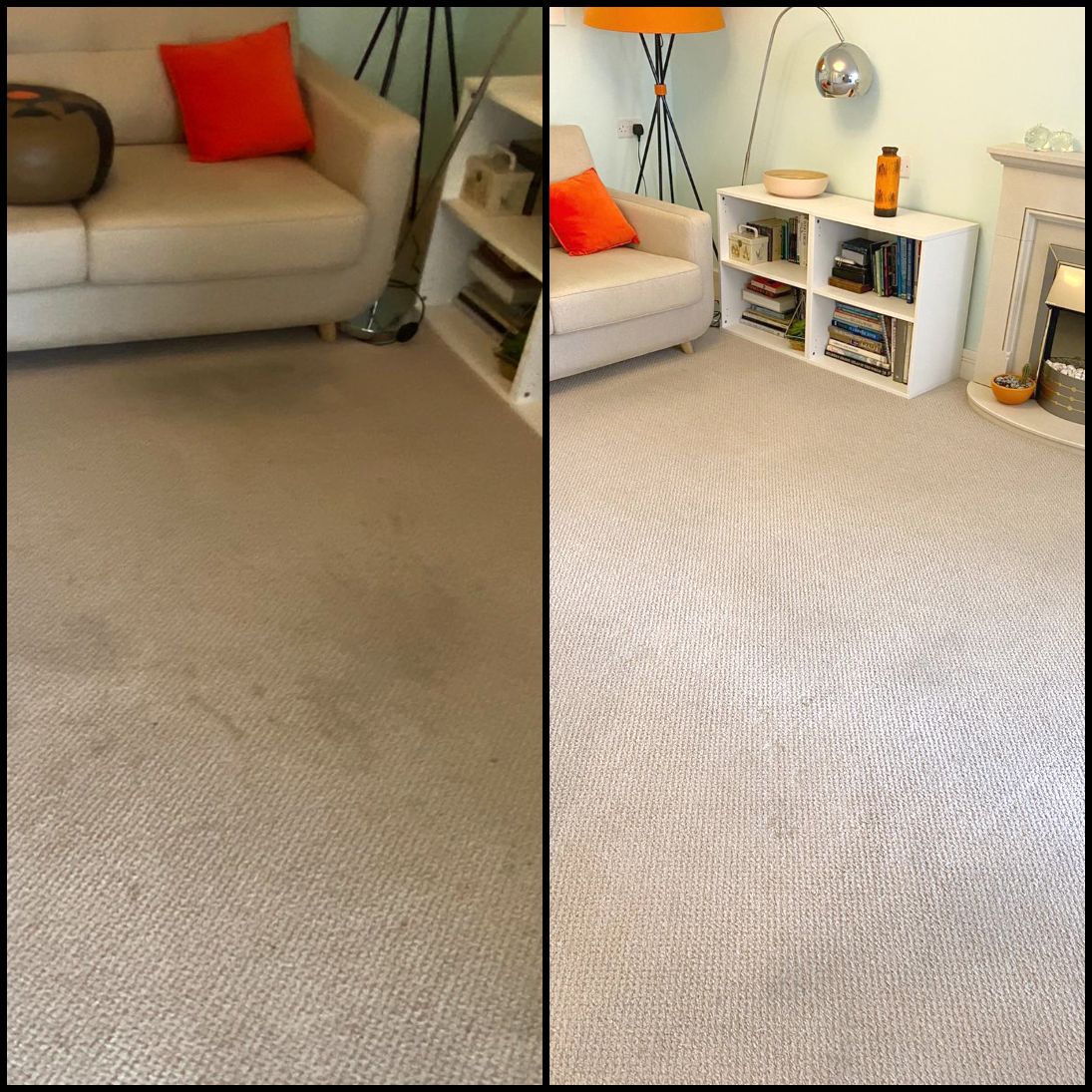
Whether you share your home with dogs, cats, or other beloved pets, accidents are an inevitable part of pet ownership. Pet stains and odours can quickly become deeply embedded in carpets, upholstery, and soft furnishings, creating persistent problems that worsen over time if left untreated. Our professional pet stain and odour removal service across Alton uses specialist enzymatic treatments, advanced extraction equipment, and proven deodorising techniques to completely eliminate pet contamination rather than simply masking it.
Pet Urine Removal
Pet urine is one of the most challenging organic stains to deal with in any household. Unlike most liquid spills, urine undergoes chemical changes as it dries that make it progressively harder to remove. The longer urine remains in carpet fibres, underlay, or upholstery fabric, the more extensive the damage becomes. Professional intervention is often the only way to fully resolve established urine contamination.
Why Pet Urine Is Difficult to Remove
When a pet urinates on carpet or upholstery, the liquid initially has a slightly acidic pH. As it dries, bacteria begin breaking down the urea, and the deposit becomes alkaline. During this process, uric acid crystals form within the carpet fibres and backing. These microscopic crystals are extremely resilient and are not water-soluble, which is why standard carpet cleaning methods fail to remove them completely.
The real problem with uric acid crystals is their tendency to reactivate. When exposed to moisture or humidity, the crystals release the characteristic ammonia smell all over again. This is why many pet owners notice that urine odours return after steam cleaning or during damp weather. The crystals remain dormant when dry but become volatile when moisture is reintroduced, creating a recurring cycle of odour that can persist for years without proper treatment.
We use UV black light detection equipment to locate all urine deposits, including those that are invisible to the naked eye. Old, dried urine stains fluoresce under ultraviolet light, allowing us to map the full extent of contamination before treatment begins. This ensures that no hidden deposits are missed, which is essential for achieving complete odour elimination.
Enzymatic Treatment
Enzymatic cleaners are the gold standard for pet urine removal because they work at a molecular level. These specialist solutions contain beneficial bacteria that produce enzymes capable of breaking down the proteins, urea, and uric acid crystals found in pet urine. Unlike chemical cleaners that simply alter the appearance of a stain, enzymatic treatments consume the organic matter entirely, leaving nothing behind to cause future odour problems.
The enzymatic process specifically targets and neutralises ammonia, the compound responsible for the sharp, pungent smell associated with cat and dog urine. Our professional-grade enzymatic solutions are significantly more concentrated than retail products and are applied using injection equipment that delivers the treatment deep into carpet fibres and backing material. Sufficient dwell time is critical for enzymatic treatments to work effectively, and we carefully control application rates and contact periods to ensure thorough breakdown of all organic contamination.
Carpet Underlay Contamination
One of the most common reasons why DIY urine cleaning attempts fail is that the contamination has penetrated far deeper than the carpet surface. When a pet urinates on carpet, gravity draws the liquid downward through the pile, through the primary and secondary backing, and into the underlay beneath. In severe cases, urine can soak through the underlay and reach the subfloor, whether that is concrete, floorboards, or chipboard.
Surface cleaning only addresses a fraction of the contamination in these situations. The underlay acts as a sponge, absorbing and holding urine that continues to produce odour indefinitely. Our treatment protocol for deep contamination involves flooding the affected area with enzymatic solution so that it reaches the same depth as the original urine deposit. In cases where the underlay is heavily saturated, we may recommend its replacement along with sealing of the subfloor before the carpet is relaid. This comprehensive approach is the only reliable way to resolve severe, long-standing urine contamination.
Pet Odour Elimination
Pet odours in the home can range from a mild background smell to an overwhelming presence that affects every room. Odours from urine, body oils, saliva, and general pet dander accumulate over time and become embedded in soft furnishings throughout the property. Professional deodorising goes far beyond what air fresheners and shop-bought products can achieve.
How Pet Odours Develop
The development of pet odour is a biological process driven by bacterial activity. When urine, saliva, or other organic pet deposits land on absorbent surfaces, bacteria immediately begin colonising the material. These bacteria feed on the proteins and other organic compounds present in the deposit, producing volatile organic compounds and gases as metabolic byproducts. Ammonia, mercaptans, and various sulphur-containing compounds are among the chemicals responsible for the distinctive and unpleasant smell.
As bacterial colonies grow, the odour intensifies. Warm, humid conditions accelerate bacterial activity, which is why pet odours often seem worse during summer months or in centrally heated homes. The bacteria and their byproducts penetrate deep into porous materials, making surface-level treatment inadequate for established odour problems.
Professional Deodorising Treatment
Our professional deodorising treatments work by eliminating the source of odour rather than covering it up. Air fresheners, scented sprays, and shop-bought odour neutralisers merely introduce a competing fragrance that temporarily masks the underlying smell. Once the masking agent dissipates, the original odour returns because the bacteria and organic matter causing it remain untouched.
Professional deodorising combines deep extraction cleaning with targeted antimicrobial and enzymatic treatments. We first remove as much of the contaminating material as possible through hot water extraction, then apply specialist deodorising agents that chemically bond with and neutralise odour-causing molecules. Antimicrobial treatments halt bacterial activity, preventing further odour production. This multi-stage approach addresses every aspect of the odour cycle, delivering results that are genuinely permanent rather than temporary.
Ozone Treatment for Severe Contamination
For properties with severe or widespread pet odour contamination, ozone treatment provides the most thorough level of deodorisation available. Ozone generators produce ozone gas, a powerful oxidising agent that penetrates every surface, fabric, and crevice in a room. The ozone molecules react with odour-causing compounds and break them down into harmless, odourless substances through oxidation.
Ozone treatment is particularly effective in rental properties where previous tenants kept multiple pets, in homes where elderly or incontinent animals have had repeated accidents over months or years, and in situations where odour has permeated walls, skirting boards, and hard surfaces as well as soft furnishings. The treatment is carried out in unoccupied rooms with controlled exposure times, and the space is thoroughly ventilated before reoccupation. Ozone treatment is often used in conjunction with carpet and upholstery cleaning for a comprehensive whole-room deodorising solution.
Pet Vomit and Faeces Cleaning
Pet vomit and faecal accidents require prompt and thorough cleaning to prevent permanent staining and bacterial contamination. Both substances contain organic compounds that bond with textile fibres, and the longer they remain on a surface, the more difficult they become to remove completely. Professional cleaning ensures that all biological material is removed and the area is properly sanitised.
Sanitisation and Disinfection
Pet faeces can contain harmful bacteria, parasites, and pathogens including Campylobacter, Salmonella, and Toxocara. Vomit may also carry bacteria and stomach acids that pose health risks, particularly in homes with young children who play on carpeted floors. Simple wiping or blotting removes visible matter but does not address the microscopic biological contamination that remains in the carpet pile.
Our sanitisation process uses hospital-grade disinfectants that are effective against a broad spectrum of bacteria and viruses whilst remaining safe for use around children and pets once dry. After removing all solid matter and treating the area with disinfectant, we carry out hot water extraction at temperatures sufficient to kill remaining pathogens. This combination of chemical and thermal sanitisation ensures that the treated area is hygienically clean, not merely visually clean.
Stain Removal After Pet Accidents
Pet vomit presents particular staining challenges because of its bile content. Bile pigments produce vivid yellow or orange discolouration that can permanently dye carpet fibres if not treated quickly. The acidic nature of vomit also causes chemical damage to certain carpet types, particularly wool carpets where the acid can weaken and dissolve fibres. Cat vomit tends to be especially problematic due to its high bile concentration and acidic pH.
Faecal staining varies depending on the pet's diet and the type of carpet or fabric affected. Dark-coloured stains on light carpets require careful treatment with oxidising agents to lift the discolouration without damaging the fibre. Our technicians assess the carpet fibre type and the nature of the stain before selecting the appropriate treatment chemistry, ensuring the best possible result without risking fibre damage or colour loss.
Pet Hair and Dander Removal
Pet hair and dander accumulate relentlessly in homes with cats and dogs, embedding themselves in carpet pile, upholstery fabric, and curtains. Regular vacuuming removes surface hair but often fails to extract the fine hairs and microscopic skin flakes that work their way deep into textile fibres. Over time, this accumulation affects indoor air quality and can trigger allergic reactions in sensitive individuals.
Deep Extraction of Embedded Pet Hair
Pet hair, particularly the fine undercoat shed by breeds such as Labradors, German Shepherds, Huskies, and long-haired cats, wraps itself around individual carpet fibres and becomes virtually impossible to remove with a domestic vacuum cleaner. The static charge that builds up in synthetic carpets compounds the problem by attracting and holding hair and dander particles within the pile.
Our deep extraction process uses commercial-grade equipment with significantly greater suction power than household machines, combined with contra-rotating brush agitation that loosens embedded hair from the base of the carpet pile. Pre-treatment with anti-static agents reduces the electrostatic bond between hair particles and synthetic fibres, allowing more thorough extraction. The result is a noticeably cleaner carpet with greatly reduced hair and dander levels throughout the pile.
Allergen Reduction for Pet Owners
Pet dander, the microscopic flakes of skin shed by cats, dogs, and other furry animals, is one of the most common indoor allergens. Dander particles are extremely small and lightweight, remaining airborne for extended periods before settling on surfaces and becoming trapped in soft furnishings. For individuals with asthma or allergic rhinitis, accumulated pet dander in carpets and upholstery can significantly worsen symptoms.
Dust mites thrive in carpets that contain pet dander, as the skin flakes provide an abundant food source for these microscopic creatures. The combination of pet dander and dust mite waste products creates a potent allergen cocktail that can make homes uncomfortable or even uninhabitable for allergy sufferers. Regular professional cleaning substantially reduces both dander and dust mite populations, lowering overall allergen levels and improving indoor air quality. We recommend a cleaning schedule of every three to four months for households with pets and allergy-sensitive occupants.
Surfaces We Treat
Pet stains and odours can affect virtually any soft surface in the home. Each material requires a tailored approach to ensure effective stain and odour removal without causing damage to the fabric or finish. Our technicians are trained and equipped to treat all common household textiles and surfaces affected by pet contamination.
Carpet Pet Stain Treatment
The approach to carpet pet stain treatment depends significantly on the fibre type. Synthetic carpets made from polypropylene or nylon are generally more resistant to permanent staining and can tolerate stronger cleaning solutions and higher water temperatures. Wool carpets require more careful treatment because wool fibres are protein-based and can be damaged by alkaline solutions, excessive heat, or aggressive agitation. Wool is also more susceptible to colour run and shrinkage if incorrect cleaning methods are used.
We test every carpet before treatment to identify the fibre type, assess colourfastness, and determine the most appropriate cleaning chemistry. Stain-specific spotting agents are applied to individual deposits before the main cleaning process begins, giving them maximum contact time for optimal results. Hot water extraction is then carried out across the full area to remove all residues, leaving the carpet clean, fresh, and free from sticky detergent deposits that attract rapid resoiling.
Upholstery Pet Stain Treatment
Sofas, armchairs, and cushions are favourite resting spots for household pets and consequently suffer heavily from hair, dander, body oil, and accident staining. Upholstery fabrics range from robust synthetic weaves to delicate natural fibres such as cotton, linen, and silk, each with different cleaning requirements and tolerances.
Pet urine on upholstered furniture presents a particular challenge because the liquid soaks through the fabric covering into the foam or fibre filling beneath, creating a deep reservoir of contamination that surface cleaning cannot reach. Our upholstery treatment involves controlled injection of enzymatic solution into the filling material followed by thorough extraction to draw out dissolved contaminants. Seat cushions, arm pads, scatter cushions, and headrests are all treated individually to ensure complete coverage. We also treat mattresses and car interiors using adapted versions of the same techniques, tailored to the specific materials and construction involved.
Rug Pet Stain Treatment
Area rugs require specialist attention, particularly hand-knotted Oriental and Persian rugs where incorrect treatment can cause irreversible damage. These valuable rugs are often made from wool, silk, or cotton with natural dyes that may be sensitive to moisture, pH changes, and agitation. Pet urine is especially damaging to Oriental rugs because it can cause dye migration, colour bleeding, and deterioration of the foundation threads.
Backing contamination is a major concern with area rugs because they typically sit directly on hard flooring. When a pet urinates on a rug, the liquid passes through the pile and accumulates in the backing material, where it is trapped between the rug and the floor beneath. This creates an ideal environment for bacterial growth and odour development. Our rug cleaning process addresses backing contamination through controlled flushing and extraction from both sides of the rug, ensuring that urine deposits within the foundation are fully removed. Rugs with severe contamination may be taken off-site for immersion cleaning in our controlled facility, where more intensive treatment methods can be applied safely. Stair carpets and runners receive the same level of attention, with each tread and riser treated individually to address the specific contamination present.
Preventing Future Pet Stains
Once your carpets and upholstery have been professionally cleaned and deodorised, protecting them against future pet accidents helps maintain their condition and extends the time between professional cleans. A combination of protective treatments, good habits, and regular maintenance keeps your home fresh and your soft furnishings looking their best.
Fabric protection treatments such as Scotchgard create an invisible barrier around individual textile fibres that repels liquid spills and prevents them from soaking in immediately. This gives you valuable time to blot up pet accidents before they penetrate into the carpet backing or upholstery filling. Protected fabrics are also easier to clean and resist soiling from pet hair and body oils. We recommend applying fabric protection after every professional clean for maximum ongoing benefit.
Between professional appointments, enzymatic maintenance sprays are an excellent way to manage minor accidents and keep odours under control. These ready-to-use sprays contain the same type of beneficial bacteria found in professional enzymatic treatments and can be applied directly to fresh pet stains. They are safe for use on most carpets and upholstery and work continuously over several hours to break down organic contamination. Keeping a bottle to hand means you can treat accidents immediately, greatly reducing the risk of permanent staining or lingering odour.
Consistent toilet training reinforcement for puppies and young dogs, along with regular veterinary check-ups for older pets that may be experiencing incontinence, helps reduce the frequency of indoor accidents. Placing washable pet blankets on favourite resting spots protects upholstery from hair, dander, and body oils. We generally recommend scheduling professional pet stain and odour removal every four to six months for homes with pets, or more frequently if accidents are a regular occurrence. This regular cleaning schedule prevents the gradual build-up of contamination that leads to persistent odour problems and maintains a clean, healthy living environment for both you and your pets.
What Our Customers Say
"Fantastic service from start to finish. Carpets look brand new and the team were professional and friendly."
"Called in the morning, they were here by the afternoon. Great results and very fair pricing."
Get a Free Quote Today
No obligation. No hidden fees. Most jobs completed same day.
Call 07360 527256 Get Your Free QuoteOur Cleaning Process
Inspection and Quote
We assess the type, condition and any specific stains to determine the best cleaning method and provide a fixed price.
Pre-Treatment and Cleaning
We pre-treat stains and problem areas before carrying out a thorough deep clean using professional-grade equipment.
Post-Clean Finish
Final inspection, optional stain protection applied, and we advise on drying times. Not happy? We redo it free.
Frequently Asked Questions
How much does pet stain and odour removal cost?
Prices depend on the size of the area, condition and cleaning method required. We provide fixed-price quotes with no hidden fees. Call us on 07360 527256 for an instant estimate.
How long does it take to dry?
Drying times vary by method. Hot water extraction typically takes 2 to 6 hours depending on ventilation and humidity. Low-moisture methods can be dry within 1 to 2 hours.
Is it safe for children and pets?
Yes. We use eco-friendly, non-toxic cleaning solutions that are completely safe for children and pets.
How often should I have professional cleaning done?
For a typical household, every 12 to 18 months is recommended. Homes with children, pets or allergy sufferers should consider cleaning every 6 to 12 months.
Do you move furniture?
We can move light furniture. For larger or heavy items, we ask that you move these before we arrive.
What areas do you cover?
We cover Alton and surrounding areas including Four Marks, Holybourne, Chawton, Medstead, Selborne.
Pet Stain and Odour Removal Near You
Get Your Free Quote
No obligation. No hidden fees. Just honest, professional service.
Call 07360 527256 Request a Quote Online